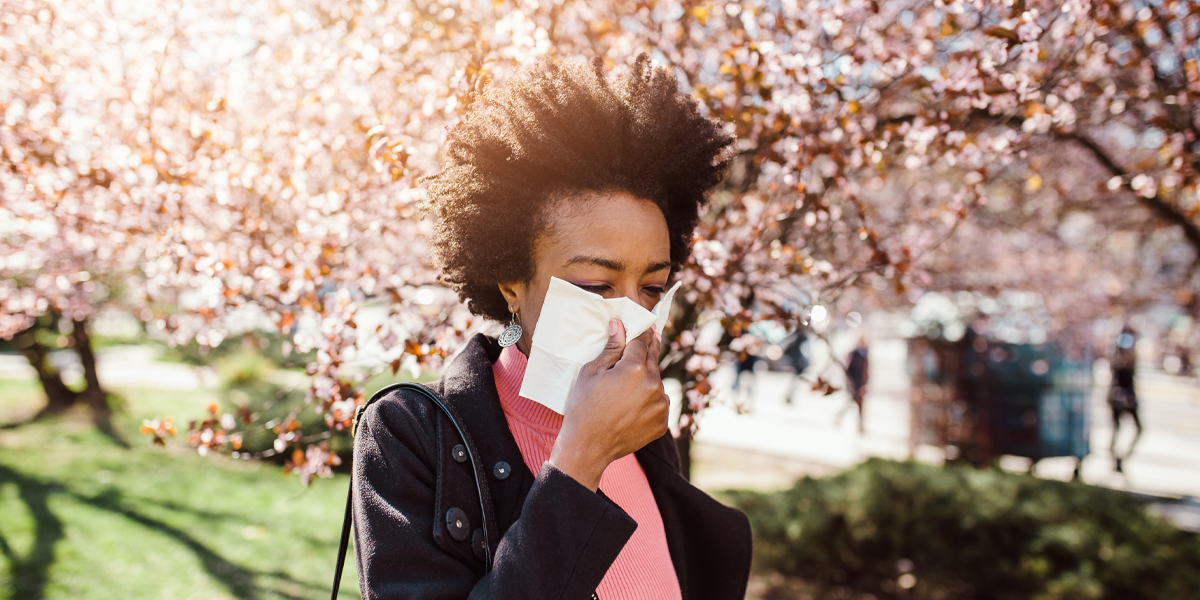
May is designated as National Asthma and Allergy Awareness Month with good reason. Spring allergies can really zap your energy. The good news is that there’s a lot you can do to reduce allergy symptoms and feel more in control.
If you get allergies every spring, begin prevention 1–2 weeks before pollen season ramps up. To start with, you want to keep your immunity strong. Get adequate sleep, manage stress, stay hydrated, and eat a balanced diet rich in fruits and vegetables. (Always check with your healthcare provider if you’re unsure what’s right for you.)
• Consider a daily antihistamine (non-drowsy options are common).
• Nasal corticosteroid sprays are often most effective when started early.
• Saline nasal rinses can help flush out allergens.
You can’t control the pollen outside—but you can control your home.
• Keep windows closed on high-pollen days.
• Use air conditioning instead of opening windows.
• Run a HEPA air purifier in your bedroom.
• Shower and change clothes after being outdoors.
• Wash bedding weekly in hot water.
• Keep pets wiped down if they go outside (they carry pollen in on fur).
Check daily pollen forecasts in your area.
• Limit outdoor activity on high-pollen days.
• Go outside after rain, when pollen levels are lower.
• Avoid outdoor activity in the early morning (pollen peaks then).
If you’ll be outdoors:
• Wear sunglasses to shield your eyes.
• Consider a mask when mowing or doing yard work.
• Rinse your nose with saline after heavy exposure.
If your symptoms are severe, you may want to consider long-term options by having allergy testing completed to identify your specific allergy triggers. Your health care provider may recommend medication to help control your sensitivity to the allergens that make your life miserable.