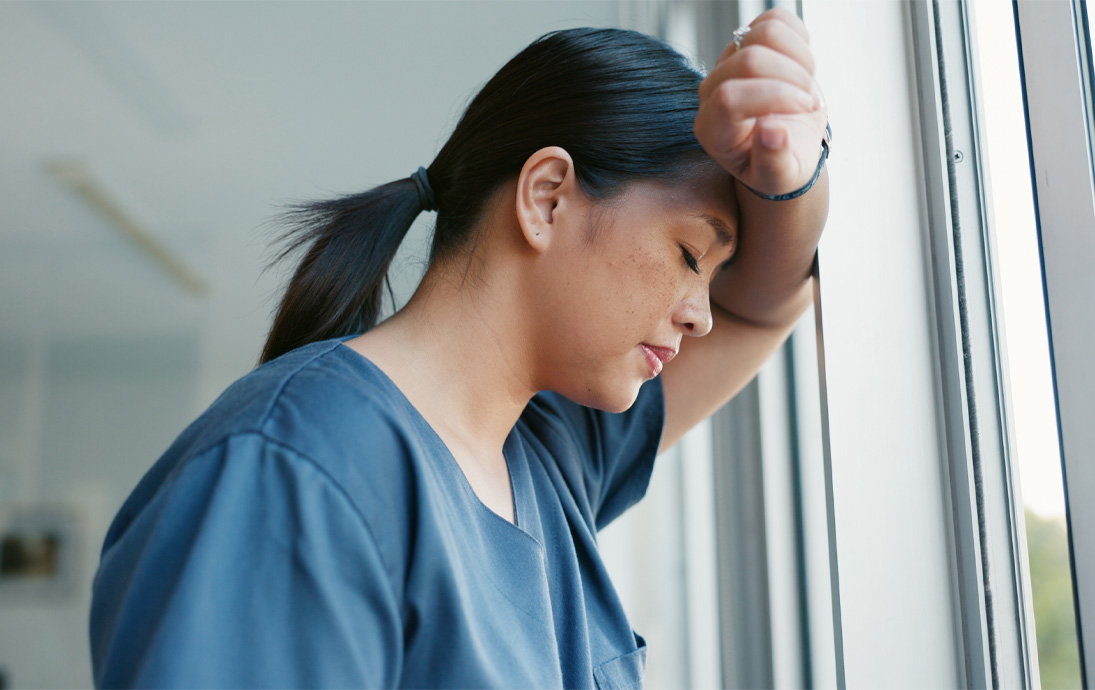
When most people think of Seasonal Affective Disorder (SAD), they picture dark winter days and low energy. However, there is another, less talked about form of seasonal depression that appears during the brightest time of the year: Reverse Seasonal Affective Disorder, also known as Summer SAD.
While sunshine and warm weather are often associated with happiness, for some individuals, summer can trigger intense emotional and physical distress.
What Is Reverse Seasonal Affective Disorder?
Seasonal Affective Disorder (SAD) is a type of depression that follows a seasonal pattern. Most commonly, it occurs during fall and winter. However, Reverse SAD (Summer Depression) is a subtype that develops during the warmer, sunnier months — often beginning in spring and becoming more severe as summer progresses.
Unlike winter depression, which is linked to lack of sunlight, Reverse SAD is triggered by excessive heat, long daylight hours, and seasonal lifestyle pressures.
It is relatively rare, affecting about 10% of people who experience SAD.
Key Symptoms of Reverse SAD
Reverse SAD presents differently from winter depression. Instead of low energy and excessive sleep, individuals often experience heightened agitation and restlessness.
Common symptoms include:
- Intense anxiety
- Irritability and agitation
- Insomnia (difficulty sleeping)
- Poor appetite
- Weight loss
- Heightened emotional sensitivity
- In severe cases, aggressive or violent behavior
Many individuals report feeling “on edge” constantly, as though their nervous system cannot settle.
What Causes Summer Depression?
Reverse SAD is believed to be caused by a combination of biological and environmental factors:
1. Disrupted Circadian Rhythms
Longer daylight hours can interfere with the body’s internal clock (circadian rhythm). Excess light exposure may disrupt melatonin production, making it harder to fall and stay asleep.
2. Heat and Humidity
High temperatures and humidity can cause physical discomfort, dehydration, and irritability. For some people, prolonged heat exposure intensifies emotional instability.
3. Social and Financial Pressure
Summer often comes with expectations of travel, socializing, and being active. This pressure can increase stress, especially for individuals struggling financially or emotionally.
4. Biological Sensitivity
Some people may simply be more neurologically sensitive to environmental stimulation, including bright light and heat.
Reverse SAD vs. Winter SAD: What’s the Difference?
Understanding how Reverse SAD differs from winter SAD helps clarify why it often goes unrecognized.
|
Winter SAD |
Reverse (Summer) SAD |
|
Lethargy |
Agitation |
|
Oversleeping |
Insomnia |
|
Increased appetite |
Low appetite |
|
Weight gain |
Weight loss |
|
Low energy |
High-energy restlessness |
|
Craving carbohydrates |
Reduced hunger |
While winter SAD often feels heavy and slow, Reverse SAD can feel intense and overstimulating.
How Is Reverse SAD Managed?
The good news is that Reverse SAD is treatable. Management typically focuses on reducing overstimulation and restoring balance.
1. Control Your Environment
- Use air conditioning to stay cool
- Keep blinds or blackout curtains closed during peak sunlight
- Spend time in shaded or cooler spaces
2. Maintain a Structured Routine
- Go to bed and wake up at consistent times
- Avoid overstimulation late at night
- Prioritize regular meals even if appetite is low
3. Seek Therapy
Cognitive Behavioral Therapy (CBT) can help manage anxiety, irritability, and stress patterns associated with summer triggers.
4. Medication (If Needed)
In moderate to severe cases, healthcare providers may prescribe antidepressants or other medications to regulate mood and sleep patterns.
If symptoms are severe, persistent, or include thoughts of self-harm, professional help is essential.
Why Reverse SAD Is Often Misunderstood
Because summer is associated with joy, vacations, and outdoor activities, people with Reverse SAD may feel isolated. Friends and family might struggle to understand how someone could feel depressed during sunny weather.
Reverse Seasonal Affective Disorder is real, distressing, and valid. If you notice that your mood consistently worsens during warmer months — especially with anxiety, agitation, and insomnia — you are not alone.
Understanding your seasonal patterns is the first step toward managing them. With environmental adjustments, structured routines, therapy, and medical support when needed, many people find relief and regain balance.